
"coffee tree adoption"
2000 article(s) found

A brief introduction to the History and Culture of the Origin and Development of Costa Rica Saint Roman Fine Coffee beans
The coffee trees planted in Costa Rica are all Arabica coffee trees, and the quality of coffee beans is better and more stable through improvement. In order to facilitate picking, coffee trees are kept at a height of about 2 meters through continuous pruning. The coffee that people eat is the taste of the seeds in the fruit that are brewed in water. After picking raw coffee beans, the peel, pulp, seed film and sun exposure must be removed.

A brief introduction to the cultivation of boutique coffee in the fresh and bright Yega Ficher Manor, climate and altitude.
Yega Xuefei is a small town, 700-21000 meters above sea level, synonymous with Ethiopian boutique coffee. It has been a wetland since ancient times. The ancient saying "Yirga" means to settle down and "Cheffe" means a wetland. The mode of production and flavor of coffee here are so outstanding that Ethiopian coffee farmers compete to take pride in the flavor of their coffee, and thus become Africa.
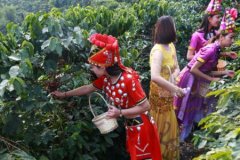
A brief introduction to the history and culture of the origin and development of Costa Rica's Saint Roman boutique coffee beans.
All the coffee trees planted in Costa Rica are Arabica coffee trees. through improvement, the quality of coffee beans is better and more stable. in order to facilitate picking, coffee trees are kept at a height of about 2 meters through continuous pruning. The coffee that people eat is the taste of the seeds in the fruit that are brewed in water. After picking raw coffee beans, the peel, pulp, seed film and sun exposure must be removed.

Light and pure Costa Rican coffee taste introduction Fire Phoenix Manor Costa Rican coffee
Tarrazu in Costa Rica is one of the major coffee producing areas in the world. The coffee produced is light and pure in flavor and pleasant in aroma. Costa Rica, with its fertile volcanic soil and good drainage, is the first country in Central America to grow coffee and bananas for commercial value. Coffee and bananas are the country's main exports. In 1729, coffee was introduced from Cuba to Goth.
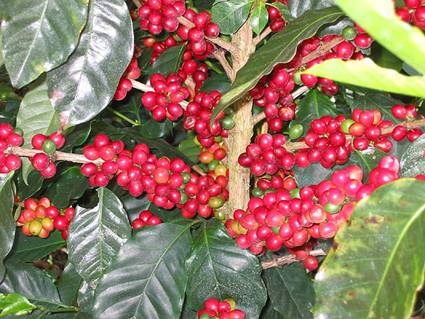
Boutique coffee beans: introduction to Raminita La Minita Coffee
Country: Indonesia name: Raminita Lintong,Sumatra production area: Lake Toba, Lintong,Sumatra Particle size: 18 mesh treatment: semi-washed altitude: 1000-1800 m Variety: Arabica Ikanda (Iskandar) Coffee is produced in Medan, North Sumatra, near Lake Lake Toba. Through La minita's exquisite sun technology and three times

Costa Rican coffee bean flavor description grinding scale production area variety treatment method taste introduction
Costa Rican coffee bean flavor description grinding scale production area variety treatment method excellent taste of Costa Rican coffee is called extra hard beans, this kind of coffee can grow above 1500 meters above sea level. Altitude has always been a problem for coffee growers. The higher the altitude, the better the coffee beans, not only because higher altitude can increase the acidity of coffee beans and thus increase the flavor of coffee beans.

Introduction of Indonesian coffee bean Raminita La Minita coffee
Country: Indonesia name: Raminita Lintong,Sumatra production area: Lake Toba, Lintong,Sumatra Particle size: 18 mesh treatment: semi-washed altitude: 1000-1800 m Variety: Arabica Ikanda (Iskandar) Coffee is produced in Medan, North Sumatra, near Lake Lake Toba. Through La minita's exquisite sun technology and three times
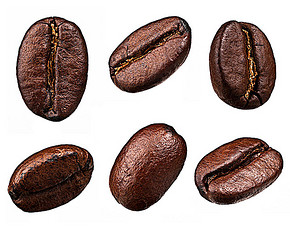
Introduction to the taste characteristics and geographical location of Yega Xuefei coffee
Following Cafe Review (Wechat official account vdailycom) found that the Beautiful Cafe opened a small shop of its own, Yejia Xuefei, as a well-deserved representative of the third wave of coffee, one of its features is its easily recognizable flavor. Second, it is easy to show its characteristics when the a value is 55, which requires a deeper baking degree than the traditional Central and South American water-washed beans, and the suitable a value is about 25-40.

Costa Rican Coffee with stronger Flavor description of Grinding degree and Taste characteristics of Fine Coffee
High-quality Costa Rican coffee is called extra hard beans, and this kind of coffee can grow at an altitude of more than 1500 meters. Altitude has always been a problem for coffee growers. The higher the altitude, the better the coffee beans, not only because the higher altitude can increase the acidity of the coffee beans and thus increase the flavor, but also because the night temperature at the higher altitude is lower, which can make the trees grow slowly.

A brief introduction to the High-quality Costa Rican Coffee Manor Tarasu Coffee Bean Goddess Manor
Excellent Costa Rican coffee is called extra hard beans, and this kind of coffee can grow at an altitude of more than 1500 meters. Altitude has always been a problem for coffee growers. The higher the altitude, the better the coffee beans, not only because the higher altitude can increase the acidity of the coffee beans and thus increase the flavor, but also because the night temperature at the higher altitude is lower, which can make the trees grow slowly.

Introduction to the characteristics of Costa Rican Saint Roman Coffee flavour Manor
Tarrazu in Costa Rica is one of the major coffee producing areas in the world. The coffee produced is light and pure in flavor and pleasant in aroma. Costa Rica, with its fertile volcanic soil and good drainage, is the first country in Central America to grow coffee and bananas for commercial value. Coffee and bananas are the country's main exports. In 1729, coffee was introduced from Cuba to Goth.

Costa Rican Coffee Manor with strong Flavor introduction to Saint Roman Manor
Tarrazu in Costa Rica is one of the major coffee producing areas in the world. The coffee produced is light and pure in flavor and pleasant in aroma. Costa Rica, with its fertile volcanic soil and good drainage, is the first country in Central America to grow coffee and bananas for commercial value. Coffee and bananas are the country's main exports. In 1729, coffee was introduced from Cuba to Goth.

Introduction to the quality characteristics of Coffee Flavor description treatment in Saint-Roman Manor, Costa Rica
Tarrazu in Costa Rica is one of the major coffee producing areas in the world. The coffee produced is light and pure in flavor and pleasant in aroma. Costa Rica, with its fertile volcanic soil and good drainage, is the first country in Central America to grow coffee and bananas for commercial value. Coffee and bananas are the country's main exports. In 1729, coffee was introduced from Cuba to Goth.

Description of varieties and Flavor of Coffee beans in Fenghuang Manor, Costa Rica
Description of the variety and flavor of coffee beans in Fenghuang Manor, Costa Rica Coffee is called extra-hard beans, which can grow at an altitude of more than 1500 meters. Altitude has always been a problem for coffee growers. The higher the altitude, the better the coffee beans, not only because the higher altitude can increase the acidity of the coffee beans and thus increase the flavor of the coffee beans.

Puerto Rico, the coffee producer that grows this old variety of Arabica coffee beans
Grow some old varieties of Arabica coffee beans, although the yield is lower than other varieties, but generally of high quality. People here have been using an ecological and intensive planting method, using only some low-toxic fertilizers and chemicals, and taking mixed crop planting measures to make the soil more fertile. When it's time to pick coffee beans, people go back and forth among the coffee trees
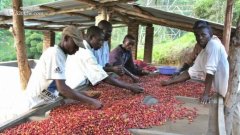
Coffee knowledge Coffee Origin Puerto Rico
In 1736, coffee trees were introduced from Martinique to Puertp Rico. Most of the early coffee was grown by immigrants from Corsica. By 1896, Puerto Rico was the sixth largest exporter of coffee in the world, with most coffee shipped to France, Italy, Spain and Cuba. Coffee farms flourished in the 19th century, but the rise of sugarcane and drug farming

Delicious Costa Rican coffee Phoenix Manor Introduction Western Valley
One of the most famous is Mountain Costa Coffee, which tastes mellow and neutral. It can be boiled directly or mixed with other kinds of coffee beans. It is also a good choice. Other types of Brazilian coffee, such as Rio, Parana, etc., can be produced in large quantities without too much care. Although the taste is rough, it is a kind of inexpensive coffee.

A brief introduction to the planting market price of Costa Rica Saint Roman boutique coffee beans with mellow taste
High-quality Costa Rican coffee is called extra hard beans, and this kind of coffee can grow at an altitude of more than 1500 meters. Altitude has always been a problem for coffee growers. The higher the altitude, the better the coffee beans, not only because the higher altitude can increase the acidity of the coffee beans and thus increase the flavor, but also because the night temperature at the higher altitude is lower, which can make the trees grow slowly.

Introduction to the method of grinding and calibration for flavor description of Costa Rican Tarazhu coffee beans with clear flavor
High-quality Costa Rican coffee is called extra hard beans, and this kind of coffee can grow at an altitude of more than 1500 meters. Altitude has always been a problem for coffee growers. The higher the altitude, the better the coffee beans, not only because the higher altitude can increase the acidity of the coffee beans and thus increase the flavor, but also because the night temperature at the higher altitude is lower, which can make the trees grow slowly.

Coffee history Coffee trees were introduced to Puerto Rico from Martinique
Coffee trees were introduced to Puerto Rico from Martinique in 1736. Early coffee was mostly grown by immigrants from Corsica. By 1896, Puerto Rico was the sixth largest coffee exporter in the world, with most going to France, Italy, Spain and Cuba. Coffee plantations flourished in the 19th century, but sugar cane and drug cultivation rose